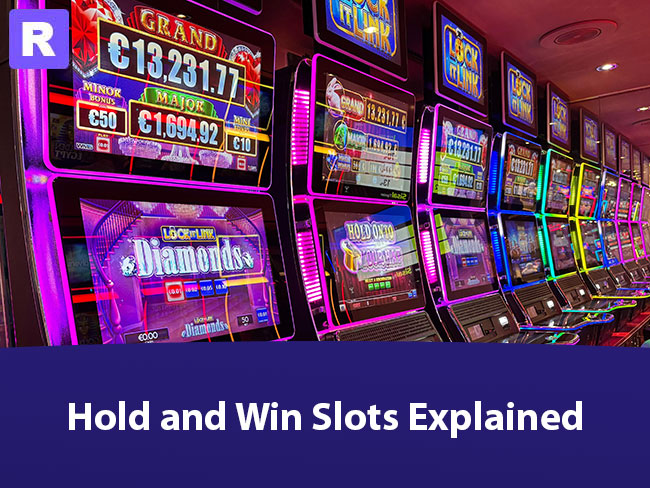
Hold and Win slots are now a staple in online casino lobbies, but the feature itself still feels mysterious to many everyday players. You see coins locking in place, a counter ticking down, and a final total flashing up, yet it is not always clear what triggered it or why it stopped. This guide explains Hold and Win in clear, simple language so you know what is happening on screen and what kind of experience to expect before you spin.
What are Hold and Win slots?
Hold and Win is a bonus feature built into many modern video slots, rather than a separate game. It can come with any kind of theme, and there are lots of options within this category.
In the base game, you spin as usual, but specific symbols – often coins, orbs, gems, or branded icons – act as bonus triggers. When enough of them land at the same time, the Hold and Win round begins: those triggering symbols lock in place, the rest of the grid clears, and you receive a small number of respins where only these special symbols matter.
During the feature, your goal is to land more of the same symbols. New bonus symbols also lock and usually reset your respin counter, extending the round. Spins where nothing new lands reduce that counter.
The bonus ends when you either run out of respins or manage to fill every position on the grid. At that point, the game adds up the values shown on all visible symbols, and many titles also attach fixed jackpots to special versions of them, which allows for even more variety within games that implement this mechanic, keeping them all feeling fresh and different from each other.
Where Hold and Win fits into real money play
Many players see the phrase “Hold and Win” being mentioned in casino lobbies or other content before they actually play a game that implements it. Seeing mentions of it and hearing other people’s thoughts on the mechanics can help a player know what to expect before plunging into a real money slot.
A thoughtful route is to start in demo mode where that is available, and use a short test session to see how often bonus symbols appear, roughly how many spins it takes to trigger a feature, and how big the ups and downs feel from one bonus to the next.
When you are ready to play slots for real money on a trusted site, it helps to keep that test experience in mind and choose a modest stake that still feels comfortable if the feature takes longer than expected to show up. Before you start a real money session, read the information panel so you know how many symbols are needed to trigger the round, whether there are fixed jackpots, and how the volatility is rated. Then set a simple loss limit and session length that match your own comfort level, rather than chasing “one more” bonus if things are quiet.
Seeing the Hold and Win feature in motion
If you learn best by watching, a real gameplay clip can make the structure of the bonus much easier to grasp. A short Facebook reel like this one from MamaCipSlots at SlotsLV shows the trigger, the respins counting down, and sticky symbols spreading across the grid as values stack up.
https://www.facebook.com/reel/1389803856198329
As you watch, notice three things: how many symbols were needed to start the feature, how often new ones land while the counter is ticking, and how the round stops the moment the counter reaches zero or the grid fills. Treat it as a visual guide to the mechanic, not as a typical outcome, since each round is still driven by random results.
How the Hold and Win bonus works step by step
Under the different themes, most Hold and Win bonuses follow the same skeleton:
- You land a minimum number of special bonus symbols in the base game.
- Those symbols lock in place, the rest of the positions clear, and you receive a small number of respins.
- Each new special symbol that appears also locks and usually resets the respin counter back to its starting value.
- The round ends when you either run out of respins or fill every available position on the grid.
- You collect the combined value of all visible symbols, plus any attached jackpots shown in the paytable.
Behind the scenes, the game still uses the same random number generator model as regular spins, which is tested so that each outcome is independent and unpredictable. Long losing or winning streaks do not mean anything is “due” to happen next.
Volatility, expectations, and simple session planning
Many Hold and Win slots are medium to high volatility, which describes how bumpy results can feel. Low volatility games pay smaller wins more often, while high volatility titles pay less frequently but can offer bigger prizes. Because so much potential sits in the Hold and Win feature, base-game spins often feel quiet, but the overall gameplay is still attractive to a lot of people, especially when the UI has been carefully crafted to maximize the user experience.